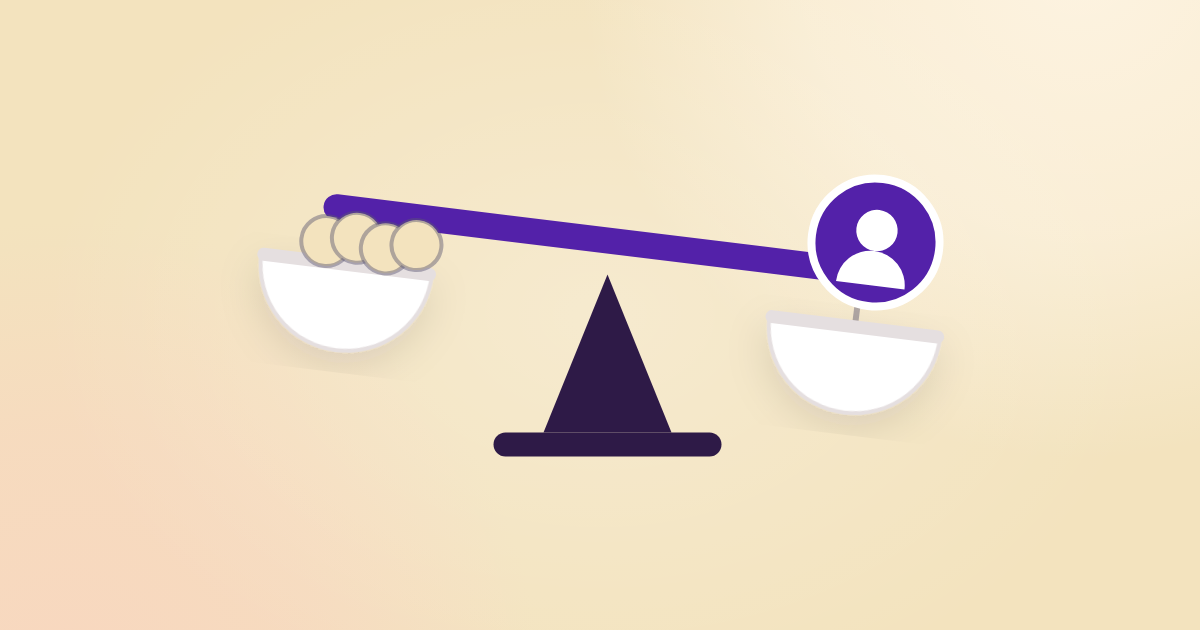
Short answer: for most local businesses, yes, social media is worth it, but not for the reason people assume. It rarely goes viral or brings a flood of sales overnight. What it does, done consistently, is keep you visible and familiar so that when someone in your area needs what you sell, you’re the name they already know. If one new regular customer is worth more than a month of effort or a small monthly tool, it pays for itself, and in most local trades it clears that bar easily.
“Is this actually worth my time?” is the fairest question a busy owner can ask about social media, and most advice dodges it with hype. So here’s a straight answer, including the parts that aren’t flattering. By the end you’ll know whether it’s worth it for your business specifically, and how to make sure it is.
The honest case against (so we’re being fair)
Let’s put the real downsides on the table first, because pretending they don’t exist is how owners get burned.
Organic reach is low. Only a small percentage of your followers see any given post, so nobody is one clever post away from a flood of customers. It takes time, and the realistic timeline is months rather than days. The returns build as they compound, so if you post twice and quit, you’ll conclude it doesn’t work, when really you just didn’t give it long enough. And it can eat hours you don’t have if you do it the hard way, making a fresh post from scratch every single day.
If someone promised you overnight results, they were selling you something. That’s the case against. Now here’s why, done properly, it’s still worth it for most local businesses.
What social media actually does for a local business
The mistake is measuring social media like a slot machine, expecting each post to pay out in sales. That’s the wrong meter. What it really buys you is familiarity, and familiarity is what wins local custom.
People buy from businesses they recognise and trust. When you show up consistently, three quiet things happen. More people in your area come to know your name. The ones who aren’t ready yet remember you for when they are. And the customers you already have are reminded to come back. None of that shows up as a like. All of it shows up as “I’ve seen you on Instagram” at the counter, a fuller diary, a busier Tuesday.
That’s the real return. Not a viral moment, but a steady drip of being known in your patch. For a business that relies on local custom, that’s worth a great deal.
The one number that decides it for you
Here’s how to know if it’s worth it for your business, without any guesswork. Work out what one new regular customer is worth to you over a year.
A salon client who rebooks every few weeks might be worth several hundred pounds a year. A gym member on a monthly membership, the same or more. A café regular who pops in twice a week adds up faster than you’d think. Now compare that to the cost of showing up consistently, whether that’s a bit of your time each month or a small tool to do the heavy lifting.
For most local businesses the maths isn’t close. If consistent posting brings you one extra regular across a whole year, it has almost certainly paid for itself, and everything after that is profit. You’re not gambling a budget on a maybe. You’re making a small, steady investment in being known, with a very low bar to clear.
If you want to go further than one number, there are three numbers worth checking every month, and a follower count is not one of them.
How to make sure it actually pays
Worth it in theory only becomes worth it in practice if you avoid the two traps that waste the effort: being inconsistent, and being generic. Here’s how to sidestep both without it taking over your week.
Be consistent without the daily grind. The compounding only happens if you keep showing up, and the realistic way to keep showing up is to stop posting one at a time. Plan a couple of weeks of posts in one sitting and schedule them, so a busy week can’t break your run. The system for posting consistently is the whole game here.
Speak to your actual customer, not “everyone”. Posts aimed at a specific person land far harder than generic ones. Decide who each post is for before you make it.
Keep it genuinely low-effort. The reason most owners quit is the time, so the whole thing only works if making and scheduling posts takes minutes, not hours. Tools built for owners rather than marketers will finish the visuals and captions for you and let you schedule a batch at once, which is what keeps the return positive. There’s usually a free way to try it before you commit any money, so you can see whether it clicks for your business first.
Do those three things and the theoretical “worth it” becomes a real one.
Frequently asked questions
Is social media worth it for a small business in 2026? For most local businesses, yes, as long as you treat it as a way to stay visible and familiar rather than a quick sales machine. Its value is a steady stream of local recognition that turns into custom over time, and if one new regular a year is worth more than the effort, it pays off.
How long before social media pays off? Months, not days. The returns build as more people see you repeatedly and start recognising your name, so consistency over a season or two is what turns effort into custom. Anyone promising instant results is overselling it.
Is it worth paying for a social media tool? It can be, if it saves you enough time to stay consistent, which is the thing that actually drives results. Compare the cost to what one new regular customer is worth to you over a year. In most local trades that’s an easy bar to clear, and many tools let you start free.
What’s the minimum effort that still works? Two to three consistent posts a week, planned in one sitting and scheduled ahead, aimed at your real customers. Consistency matters far more than volume, so a small, steady habit beats occasional bursts of effort.
This is general information, not financial advice. Every business is different, so weigh it against your own numbers.
SocialPostxr helps small businesses stay consistent without the hours. Make complete posts in minutes, plan a batch, and schedule it to publish on time. The free Starter plan includes unlimited scheduling and 5 starter posts, no card required, so you can see if it’s worth it before paying anything. Start free.